

Delaware Health and Social services division of public health logo

Birth Control Methods

Hormonal IUD

Mirena®, Skyla®, Liletta®, Kyleena®
About

An intrauterine device (IUD) is a small, T-shaped piece of plastic about the size of a quarter that releases a hormone called progestin. It is placed inside the uterus to prevent pregnancy. Depending on the type of hormonal IUD you choose, it can work for between three to seven years.

Effectiveness
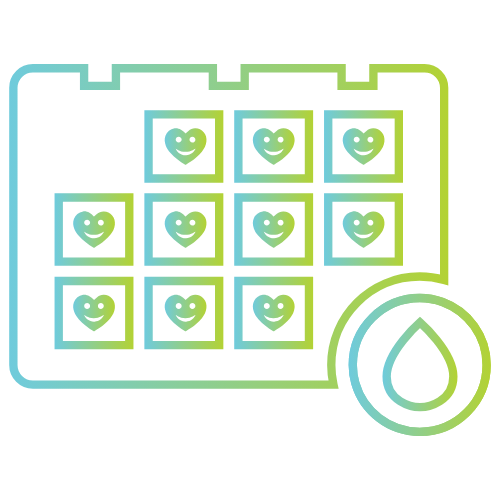
99%
Over 99% effective
Mechanism of Action

A hormonal IUD works to prevent pregnancy in a few ways:

  1. Thickens cervical mucus: This makes it harder for sperm to travel through the cervix and reach an egg.
  2. Thins the lining of the uterus: This means if an egg does get fertilized, it’s less likely to attach to the wall of the uterus and start growing.
  3. Does not reliably suppress ovulation: Unlike some other forms of birth control, hormonal IUDs don’t always stop the ovaries from releasing eggs. However, the other two actions help prevent pregnancy even if ovulation occurs.
Benefits
Improves cycle symptoms
Immediate return to fertility
No estrogen
No estrogen
Discreet method
Discreet method
Can be removed at any time
Set it and forget it
Highly effective
Highly effective

Using a hormonal IUD has several benefits besides preventing pregnancy, and here’s how they can be helpful:

  • Once a doctor places the IUD, you don’t have to remember to take it daily like a pill. It keeps working for several years.
  • If you decide you want to try to get pregnant or just don’t want to use it anymore, a doctor can easily take it out.
  • Nobody can see the IUD, and there’s nothing you need to carry with you or use right before sex, so it’s very private.
  • As soon as the IUD is removed, your ability to get pregnant returns right away.
  • The IUD is one of the most effective forms of birth control available, with a very low chance of getting pregnant while using it.
  • Many people find that using an IUD helps make their periods lighter and less painful, which can be a big relief.
Start Method
Backup required
Backup required

You can have sex right after getting an IUD, but you may need backup birth control at first.

Copper IUDs and some hormonal IUDs work immediately.

Other hormonal IUDs like Kyleena and Skyla only work right away if placed during the first seven days of your period. If not, use another form of birth control for the next seven days.

Potential Side Effects and Concerns

When using a hormonal IUD, there are some potential side effects and concerns to keep in mind:

  • Amenorrhea (missing periods): Between 20-50% of women using Mirena or Liletta may stop having their periods after a while. This is usually not harmful, but it can be surprising.
  • Expulsion: There’s a small chance, about 5% over five years, that the IUD might slip out of place or be expelled by the body. Regular check-ups can help ensure it’s still in place.
  • Perforation: In rare cases, about one out of 1000, the IUD can create a small hole in the wall of the uterus during placement. This is very rare but requires immediate medical attention.
  • Bleeding irregularities: For the first few months, you might experience irregular bleeding. This is common and tends to settle down after your body adjusts to the IUD.
  • PMS-like symptoms: Some people may experience mood swings, headaches, breast tenderness, and cramping or pelvic pain. These symptoms often improve over time as your body gets used to the IUD.

It’s important to discuss these potential side effects with your doctor to determine if an IUD is the right choice for you. Regular follow-ups can help manage any issues that arise.

Who Should Not Use This?

A hormonal IUD should not be used in patients with the following conditions:

  • Known or suspected pregnancy: It’s not safe to use if you might be pregnant.
  • Unexplained vaginal bleeding: If you have bleeding that hasn’t been checked by a doctor, you shouldn’t use an IUD until the cause is known.
  • Active Cervicitis: This is an inflammation of the cervix, and you should not use an IUD if you have this condition.
  • Pelvic Inflammatory Disease in the past three months: If you’ve had this infection recently, you should wait before getting an IUD.
  • Genital Tract Cancer: If you have cancer in your reproductive organs, an IUD is not recommended.
  • Uterine abnormalities that interfere with placement: If the shape of your uterus is unusual in a way that could make placing the IUD difficult or unsafe, it should not be used.
  • Postpartum or post-abortal infection in the past three months: If you’ve had an infection following childbirth or an abortion recently, it’s safer to avoid using an IUD for a while.

It’s important to talk to your doctor about any of these conditions before considering a hormonal IUD.